Dog Physical Development Across Life Stages
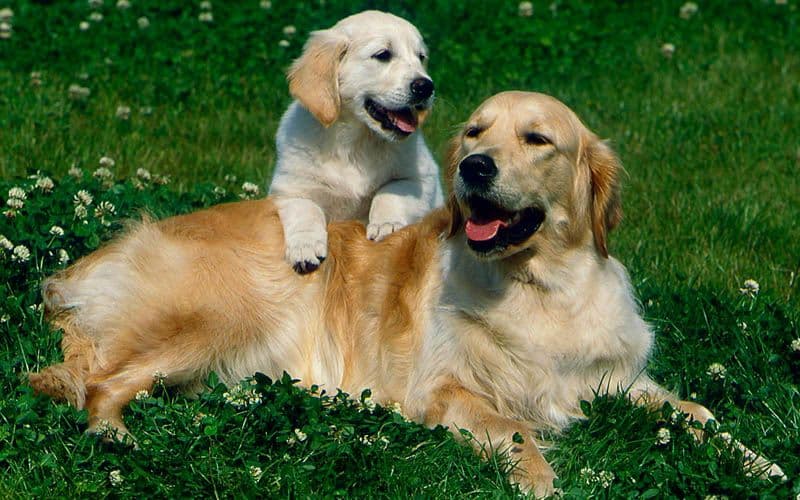
Dog physical development changes across life stages, influencing movement, strength, and long-term health from puppyhood through senior years.
Dog physical development is not a fixed process. It changes continuously across a dog’s life, shaping how the body moves, adapts, and responds to physical and environmental demands. From early growth through maturity and into aging, each stage carries distinct patterns of development that influence strength, coordination, and long-term soundness.
What Is Physical Development in Dogs
Physical development refers to the structural and functional changes that occur in a dog’s body over time. These changes include bone growth, muscle formation, joint stability, coordination, and the ability to produce and control movement.
📌Development is not limited to size or weight. It includes how efficiently a dog moves, how well the body absorbs force, and how different systems—muscular, skeletal, and neurological—work together. These factors influence everything from daily activity to long-term resilience.
Physical development is closely linked to movement quality. Subtle differences in posture, coordination, or balance can reflect underlying developmental patterns that continue to evolve throughout life.
The Life Stages of Physical Development
Dogs move through distinct developmental stages, each with unique physical characteristics. These stages are not strictly defined by age alone but by the biological processes occurring within the body.
Puppy Stage: Rapid Growth and Neuromuscular Development
The puppy stage is characterized by rapid growth and ongoing formation of the musculoskeletal system. Bones lengthen, joints develop, and muscles begin to form patterns of strength and coordination.
📌At this stage, the nervous system plays a central role. Puppies are learning how to move, adjust their posture, and coordinate different parts of the body. Movement may appear inconsistent or unrefined, which reflects an active process of development rather than weakness.
Growth plates remain open during this period, making the body more adaptable but also more vulnerable to imbalance. The relationship between growth and coordination is still evolving, and physical capacity is not yet stable.
For more information see Protecting Your Puppy’s Growth Plates.
Adolescent and Adult Stage: Strength, Stability, and Efficiency
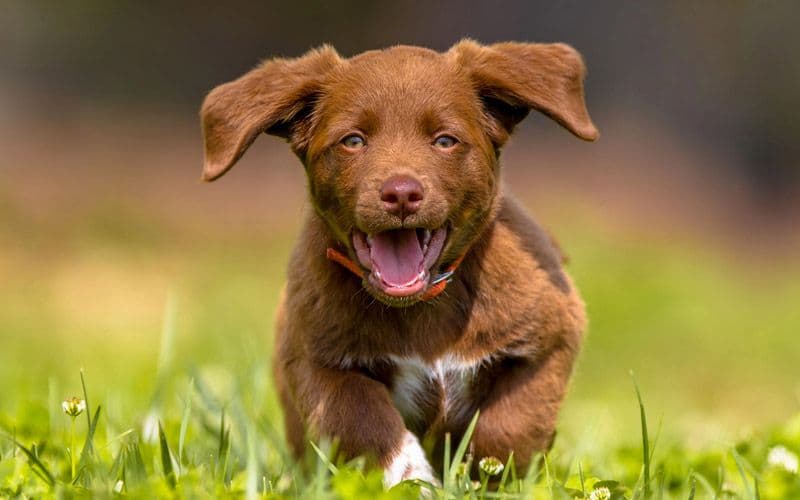
As dogs transition into adolescence and adulthood, growth slows and eventually stabilizes. The focus of physical development shifts from building structure to refining function.
Muscle strength increases, joints become more stable, and movement patterns become more consistent. Dogs typically develop greater efficiency in how they move, using less energy to perform the same actions.
This stage represents a balance between strength and control. The body is capable of handling more load and complexity, but it also reflects the cumulative effects of earlier development. Movement patterns established during puppyhood continue to influence how the dog performs as an adult.
Senior Stage: Adaptation and Change
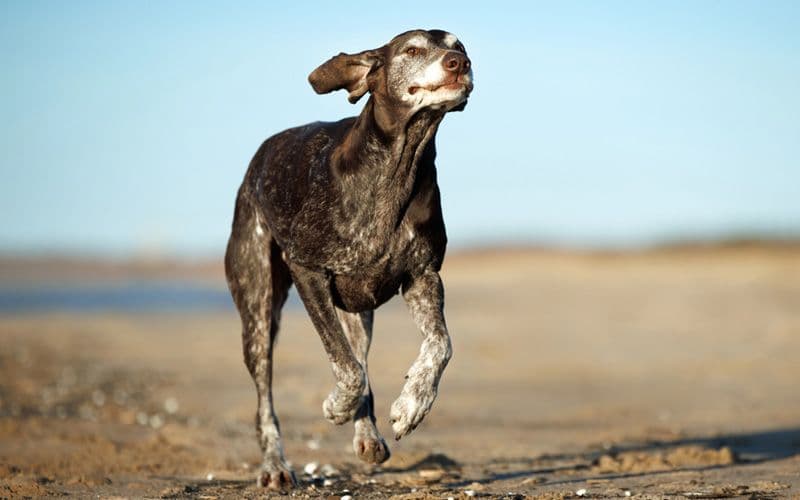
📌Physical development continues into the senior years, but the direction of change shifts. Instead of building new capacity, the body adapts to gradual changes in tissue quality, joint function, and neuromuscular coordination.
Muscle mass may decrease, joint flexibility can change, and recovery may take longer. These changes do not occur uniformly and can vary widely between individuals.
Movement may become less efficient, and subtle shifts in posture or coordination may emerge. These changes are part of the natural progression of aging and reflect the body’s ongoing adaptation to internal and external demands.
Growth, Structure, and Movement
📌Physical development is shaped by the interaction between structure and function. Structure refers to the body’s physical framework, including bones, joints, and connective tissues. Function refers to how that framework is used during movement.
As dogs grow, their structure changes, influencing how forces are distributed throughout the body. These changes affect stride length, joint loading (the forces placed on joints during movement and weight-bearing), and overall movement patterns.
Movement is not only a result of structure but also a driver of development. Repeated movement patterns reinforce certain adaptations in muscles and connective tissues, shaping how the body responds over time.
Strength, Balance, and Coordination
Strength, balance, and coordination develop together and influence each other throughout a dog’s life.
📌Strength supports joint stability and helps the body manage mechanical stress. Balance allows the dog to maintain control over body position, especially during changes in direction or speed. Coordination integrates these elements, enabling smooth and efficient movement.
These components are closely tied to proprioception, which is the body’s ability to sense its position and movement in space. Proprioception supports adjustments during movement and contributes to overall stability.
For a deeper understanding of how these elements interact, see Balance, Coordination, and Proprioception in Dogs.
Environmental Influence on Development
Physical development does not occur in isolation. The environment plays a significant role in shaping how a dog’s body grows and adapts.
Surface type, available space, and daily activity patterns all influence movement variability. Dogs exposed to a wider range of movement experiences may develop different patterns of coordination and strength compared to those with more limited environments.
Environmental factors can also affect how forces are absorbed by the body. For example, consistent exposure to certain surfaces may influence joint loading patterns and muscular adaptation.
These influences accumulate over time, contributing to the overall trajectory of physical development.
The Continuum of Development
Physical development is not divided into isolated stages but exists on a continuum. Changes in one stage influence outcomes in the next.
📌Early development sets the foundation for movement patterns that persist into adulthood. Adult physical capacity reflects both current conditions and past adaptations. Senior changes are shaped by the cumulative effects of lifelong movement and physical demands.
Understanding development as a continuum highlights the importance of observing patterns rather than focusing only on specific moments in time.
Why Physical Development Matters
📌Physical development affects more than movement. It influences a dog’s ability to interact with the environment, maintain mobility, and adapt to changing demands.
Differences in development can impact joint health, movement efficiency, and overall resilience. These factors play a role in how dogs experience daily activities and how they respond to physical challenges over time.
Understanding how development changes across life stages helps explain why dogs differ from one another. It also allows for more accurate observation of shifts in movement, posture, and physical ability.
References
- 📚 [1]Carter DR & Beaupré GS (2001). Skeletal Function and Form: Mechanobiology of Skeletal Development, Aging, and Regeneration. Cambridge University Press.✓
- 📚 [2]Zink MC & Van Dyke JB (2025). Canine Sports Medicine and Rehabilitation. Wiley.✓
- 📚 [3]Millis DL & Levine D (2014). Canine Rehabilitation and Physical Therapy. Elsevier.✓
- 📚 [4]Shumway-Cook A & Woollacott MH (2017). Motor Control: Translating Research into Clinical Practice. Wolters Kluwer.