Puppy Development (Body + Mind + Growth)
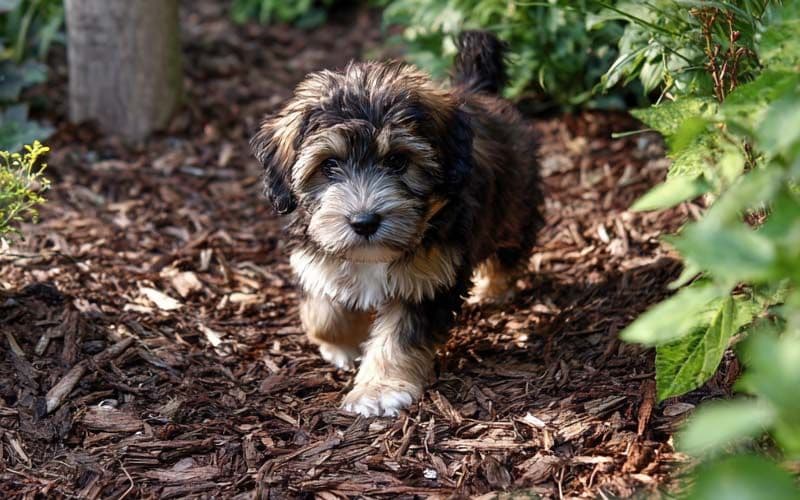
Learn how puppy development shapes movement, confidence, learning, and growth from early life through adolescence and beyond.
Puppies change quickly. One week they seem clumsy and uncertain. A few weeks later they move with more confidence, recover faster from surprises, and interact with the world differently. Development is not simply growth in size. It is the ongoing interaction between body, brain, environment, and experience.
Many owners focus on visible milestones such as weight gain, teething, or growing taller. Those changes matter, but they are only part of the picture. Beneath the surface, puppies are also building coordination, body awareness, emotional responses, movement patterns, confidence, and learning abilities.
Puppy development is not a straight line. Progress often comes in bursts. A puppy that looked coordinated yesterday may suddenly appear awkward after a rapid growth phase. A confident puppy may temporarily become more cautious around new environments.
Understanding development can help us make better decisions during the months when body and mind are changing at the fastest rate.
Puppy Development Is More Than Physical Growth
Many people think of puppy development as a body process. They notice bigger paws, longer legs, or a growing appetite. However, physical growth and developmental growth are not identical.
Two puppies can weigh the same and be the same age but function very differently. One may move efficiently over uneven surfaces and recover quickly after stumbling. Another may hesitate, lose balance often, or appear uncertain in new environments.
Growth measures size, while development measures function.
Development includes:
- Coordination
- Balance
- Learning ability
- Body awareness
- Emotional adaptability
- Movement efficiency
- Confidence around novelty
Puppies are constantly collecting information. Every surface, sound, texture, obstacle, and interaction becomes part of a larger developmental picture.
Body and Brain Develop Together
Physical movement and mental development are deeply connected.
A puppy walking through leaves, stepping over roots, and navigating changing terrain is doing more than exercising muscles. That puppy is processing information, making movement decisions, and learning how the body responds to the environment.
Movement creates learning opportunities, and learning changes movement. This relationship becomes easier to notice when puppies encounter something unfamiliar.
You may notice different responses:
- One puppy freezes and carefully investigates
- Another rushes forward without hesitation
- Another pauses, observes, and reassesses repeatedly
These differences are not simply personality. Developmental history can shape how puppies process new experiences. Repeated exposure to changing environments helps build larger libraries of movement and sensory information.
Early Experiences Can Shape Long-Term Patterns
Experiences during puppyhood may influence later movement habits and behavioral responses. Development is often cumulative, and small experiences repeated many times can create larger effects over time.
For example:
- A puppy raised mostly on smooth indoor flooring may move differently than a puppy exposed to grass, gravel, slopes, sand, and uneven terrain
- A puppy repeatedly exposed to changing sounds and environments may adapt differently than one raised in highly predictable surroundings
This does not mean owners should seek constant novelty or overwhelm puppies with stimulation. More is not always better. Patterns matter more than isolated events.
Consistent variety often creates more opportunities for learning and adaptation than repeating the same experiences every day.
Advice for Owners: Think Exposure, Not Entertainment
Many owners feel pressure to constantly keep puppies busy. Puppy development is not a race to provide endless stimulation.
Instead of asking: "How much activity did my puppy get today?" Try asking: "What types of experiences happened today?"
Different environments create different information:
- Walking across mulch creates different movement demands than walking on grass
- Entering a new location creates different sensory input than repeating the same route every day
- Exploring a changing environment often teaches different lessons than staying in one familiar setting
Different experiences often create richer opportunities for learning than simply increasing activity.
Movement Quality Changes During Growth
Rapid growth can temporarily change how puppies move. Owners sometimes become concerned when previously coordinated puppies suddenly appear awkward.
You may notice:
- Wider turns
- More stumbling
- Delayed foot placement
- Temporary clumsiness
Growth changes proportions. Limbs become longer, bodies become heavier, and coordination systems sometimes need time to catch up.
Occasional awkwardness may simply reflect developmental changes. Persistent changes, repeated asymmetry, or noticeable discomfort deserve closer attention.
Efficient movement usually appears organized and adaptable, while inefficient movement often appears repetitive and difficult. The difference becomes easier to notice when watching patterns over time instead of isolated moments.
For more discussion about physical changes during early development, see New Puppy Physical Development 8 weeks to 4 months. If you want to better understand how growth timing may influence movement and development, also read Protecting Your Puppy's Growth Plates.
Puppies Are Developing Body Awareness
Body awareness, sometimes called proprioception, is the ability to recognize where the body exists in space.
We rarely think about it because adults perform these skills automatically. Puppies are still learning.
You may notice body awareness developing when puppies:
- Step over objects more smoothly
- Recover from slips faster
- Adjust foot placement on uneven surfaces
Young puppies often use larger, less efficient movements. Over time movements usually become smaller, smoother, and more organized.
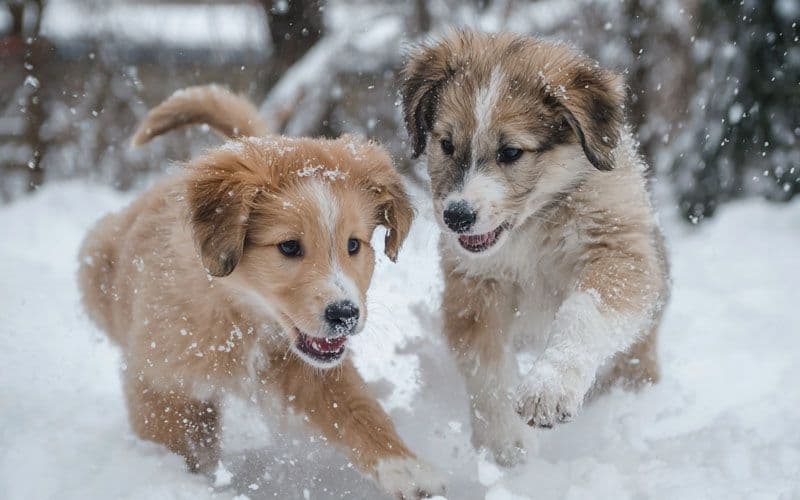
Mental Development Does Not Follow a Straight Timeline
Many of us expect predictable progress. Reality often looks different.
Puppies can seem confident one week and uncertain the next. Temporary changes do not necessarily mean something went wrong.
Development often includes periods of adjustment related to:
- Fear periods
- Rapid physical growth
- Social maturation
- Environmental experiences
Instead of reacting to isolated moments, look for trends:
- Is this becoming more common?
- Is recovery improving?
- Is confidence returning faster?
Patterns provide more useful information than snapshots.
Adolescence Creates Another Major Shift
We might feel surprised when progress appears to disappear during adolescence.
Puppies who previously seemed focused, coordinated, and responsive sometimes become inconsistent.
Adolescence is not simply larger puppyhood. Physical growth, hormonal changes, emotional development, and social changes may overlap.
We often notice:
- Reduced attention
- Increased independence
- More environmental interest
- Temporary inconsistency
- Changing confidence levels
This stage frequently creates concern because expectations rise while development remains ongoing. Development continues long after puppies stop looking like puppies.
For a stage-by-stage breakdown of major milestones and developmental periods, read Puppy Development Stages Explained.
Development Is Individual
Breed tendencies, size, environment, health, and experience all contribute to development.
Large and giant breed puppies often mature differently than smaller breeds. Two puppies living in different environments may develop different strengths.
Comparison can create unrealistic expectations. Observing your individual puppy often provides more useful information than comparing developmental timelines online.
Understanding Development Creates Better Decisions
We cannot control every part of development, but we can influence experiences, environments, and opportunities. Small decisions repeated over time often matter more than dramatic moments.
Development becomes easier to understand when we stop looking only for growth and begin noticing function.
References
- 📚 [1]Zink MC & Van Dyke JB (2025). Canine Sports Medicine and Rehabilitation. 3rd ed.. Hoboken, NJ: Wiley Blackwell.
- 📚 [2]Scott JP & Fuller JL (1965). Genetics and the Social Behavior of the Dog. Chicago: University of Chicago Press.
- 📄 [3]Freedman DG, King JA, & Elliot O. (1961). Critical period in the social development of dogs.. Science, 133(3457), 1016–1017..
- 📄 [4]Appleby DL, Bradshaw JWS, & Casey RA. (2002). Relationship between aggressive and avoidance behaviour by dogs and their experience in the first six months of life.. Veterinary Record., 150(14), 434–438.
- 📄 [5]Foyer P, Bjällerhag N, Wilsson E, & Jensen P (2014). Behaviour and experiences of dogs during the first year of life predict later temperament. Applied Animal Behaviour Science, 155, 93–100.
- 📚 [6]Serpell J (2017). The Domestic Dog: Its Evolution, Behavior and Interactions with People. 2nd ed.. Cambridge University Press.