Dog Joint Support: Stabilizer Muscles Help Protect Joints
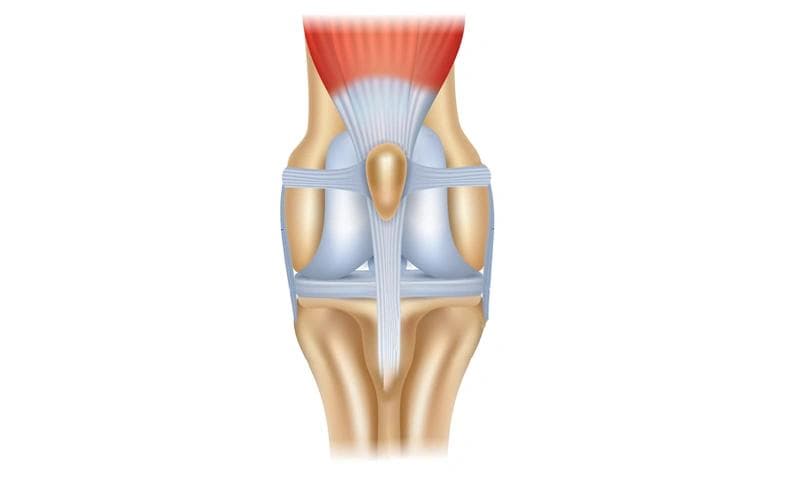
Dog joint support involves more than cartilage and ligaments. Stabilizer muscles help protect joints, improve movement control, and support mobility.
Dog Joint Support: How Stabilizer Muscles Help Protect Joints
When we think about dog joint support, conversations often focus on cartilage, supplements, ligaments, or arthritis. While those factors matter, muscles also play a major role in how joints function and stay supported during movement.
Stabilizer muscles help control movement, manage force, and improve joint positioning. These smaller support muscles work continuously during everyday activities such as walking, turning, climbing stairs, jumping, and changing direction.
Without adequate muscular support, joints may experience more repetitive stress over time.
Understanding how stabilizer muscles influence movement can help pet parents better recognize why strength, coordination, and controlled movement matter for long-term canine joint health.
What Are Stabilizer Muscles?
Stabilizer muscles are muscles who help maintain joint control and body alignment during movement. Unlike larger muscles who create powerful motion, stabilizer muscles often work quietly in the background to help the body remain balanced and coordinated.
In dogs, stabilizer muscles help support areas such as:
- Shoulders
- Hips
- Knees
- Spine
- Carpus (wrist)
- Toes and feet
These muscles frequently activate before and during movement changes. They help manage shifting weight, uneven surfaces, acceleration, deceleration, and directional changes.
Dogs use stabilizer muscles constantly during normal daily activities, not only during sports or exercise.
How Stabilizer Muscles Help Protect Joints
Joints experience force every time a dog moves. Walking, landing, turning, and even standing create mechanical stress throughout the body.
Stabilizer muscles help distribute and control some of that stress.
When muscles support movement effectively, the body may move with:
- Better alignment
- Improved balance
- More controlled force distribution
- Reduced excessive joint motion
- Better coordination during transitions
Muscular support may help reduce excessive strain that repeatedly affects tissues over time.
The Relationship Between Stability and Movement Quality
Movement quality is not simply about speed or athletic ability.
A dog may appear energetic while still showing reduced control during movement transitions. For example, some dogs consistently:
- Slip during turns
- Struggle to stabilize after jumping
- Shift weight unevenly
- Show excessive wobbling during standing
- Require repeated balance adjustments on unstable surfaces
These observations do not automatically indicate injury. They may reflect how the body manages balance, coordination, and stabilization demands. Stabilizer muscles contribute heavily to these movement adjustments.
Dogs who develop improved body awareness and coordination often show smoother transitions and more controlled movement patterns during everyday activities.
Why Joint Support Is About More Than Supplements
Joint supplements are commonly discussed in canine joint health conversations. While supplements may support some dogs, muscles remain an important part of the overall system supporting joints.
Muscles help influence:
- Shock absorption
- Limb control
- Postural support
- Force management
- Stability during movement
A joint does not function independently from the surrounding tissues.
Ligaments, tendons, fascia, nerves, muscles, and connective tissues all interact during movement.
When we discuss dog joint support, it is important to view the body as an integrated system rather than focusing on a single structure alone.
Puppies, Adults, and Senior Dogs
Stabilizer muscles matter throughout every life stage.
Puppies are still developing coordination, body awareness, and movement control. Their stabilizer systems continue adapting as they grow and experience new surfaces, environments, and physical challenges.
Adult dogs may rely heavily on stabilization during sports, hiking, repetitive activities, or physically demanding lifestyles.
Senior dogs often experience natural age-related changes involving strength, balance, coordination, and mobility. Changes in stabilization may influence confidence during movement, especially on slippery floors, stairs, or uneven terrain.
This does not mean aging dogs cannot remain active.
Many senior dogs continue benefiting from thoughtful movement opportunities and environmental support that help maintain confidence and function.
Surface Type Can Influence Stabilization Demands
Different surfaces challenge the body differently.
Dogs walking on grass, sand, rocks, dirt trails, rubber flooring, hardwood, or slick tile surfaces may recruit stabilizer muscles differently depending on the demands of the environment.
Novel surfaces may increase the need for:
- Balance adjustments
- Paw placement awareness
- Limb coordination
- Controlled weight shifting
This is one reason varied movement environments can provide important physical and neurological experiences.
Movement variability helps expose the body to changing demands rather than repeating identical patterns continuously.
Stabilization Is Also Neurological
Joint support is not only muscular.
The nervous system constantly collects information about body position, pressure, movement speed, and limb placement. This process is commonly called proprioception.
Proprioception helps dogs adjust movement in real time. Stabilizer muscles work closely with the nervous system during these adjustments. Together, they help the body respond to changing movement demands and environmental challenges.
This connection between muscular control and neurological feedback plays an important role in coordination and movement efficiency.
Observing Stabilization in Everyday Life
Pet parents may notice stabilization demands during activities such as:
- Walking on slippery floors
- Navigating stairs
- Jumping into vehicles
- Turning sharply during play
- Walking on uneven trails
- Standing on shifting surfaces
- Recovering balance after sudden movement
Some dogs naturally appear highly coordinated, while others may require more effort to maintain control during movement changes.
Observation does not replace veterinary evaluation.
However, recognizing movement patterns may help us better understand how dogs interact with their environment and how movement quality can change over time.
Final Thoughts
Dog joint support involves far more than joints alone.
Stabilizer muscles help support coordination, balance, controlled movement, and force management throughout the body. These systems work together continuously during everyday life.
Understanding how muscles contribute to movement may help pet parents view canine joint health more broadly — not only as a structural issue, but also as a movement and stability conversation.
References
- 📚 [1]Zink MC & Van Dyke JB (2025). Canine Sports Medicine and Rehabilitation. 3rd ed.. Hoboken, NJ: Wiley-Blackwell.
- 📚 [2]Goldberg ME & Tomlinson JE (2018). Physical Rehabilitation for Veterinary Technicians and Nurses. Ames, IA: Wiley-Blackwell.
- 📄 [3]Millis DL & Ciuperca IA (2015). Evidence for Canine Rehabilitation and Physical Therapy.. Vet Clin North Am Small Anim Pract., 45(1), 1-27.
- 📚 [4]McGowan CM, Goff L, & Stubbs N (2016). Animal Physiotherapy: Assessment, Treatment and Rehabilitation of Animals. 2nd ed.. Hoboken, NJ: Wiley-Blackwell.